Robertson County Historic Town
Welcome to Calvert, a Robertson County railroad town whose 37-block National Register historic district preserves the grand architecture of its 19th-century cotton-boom past.
Calvert is a small city in Robertson County, in the Brazos Valley region of Central Texas, sitting on State Highway 6 roughly thirty minutes north of Bryan and College Station. Founded in 1868, it rose with the arrival of the Houston and Texas Central Railway as a classic railroad boomtown and cotton trading center. By the end of the 19th century Calvert was one of the largest cities in Texas, with a population exceeding 10,000 — a scale its quiet, tree-shaded streets belie today. That outsized past left an outsized architectural legacy. Calvert's 37-block historic district is listed on the National Register of Historic Places and contains an extraordinary concentration of late-19th-century homes, churches, and commercial buildings, many carefully restored. The downtown has become a destination for antique stores, boutiques, galleries, and restaurants, and heritage sites such as the Katy Hamman-Stricker Women's Heritage Center document the community's history. The decline of the cotton economy shrank the city over the 20th century, but preservation has become Calvert's modern identity. Today's Calvert is a working small town of roughly 1,000 residents. It is served by its own Calvert Independent School District, a single-school district that reflects the community's intimate scale, and it lies within the Bryan–College Station metropolitan area, putting Texas A&M University, regional medical care, and the amenities of a major college town within a short drive. Calvert suits those drawn to historic architecture and small-town Texas life — restoration-minded homeowners, antique dealers, and anyone seeking a place where the 19th-century Brazos Valley still stands along the main street. It is a preservation town first, with the practical benefits of Highway 6 and a university metro nearby.
Calvert is located in Robertson County, in the Brazos Valley region of Central Texas. It sits on State Highway 6, about thirty minutes north of the cities of Bryan and College Station.
Calvert was founded in 1868 as a boomtown on the Houston and Texas Central Railway and became a major cotton trading center — by the late 1800s it was one of the largest cities in Texas. Its 37-block historic district preserves that era's architecture.
Calvert is served by the Calvert Independent School District, a small rural district that operates a single K-12 school in the city. Larger districts and Texas A&M University in College Station extend educational options in the region.
Calvert is about thirty minutes north of Bryan and College Station on State Highway 6, making Texas A&M University and the metro's shopping, dining, and medical services an easy drive south. Waco is roughly forty miles to the northwest.
Calvert's main draws are its National Register historic district, antique stores, boutiques, and restaurants along the downtown, plus heritage sites such as the Katy Hamman-Stricker Women's Heritage Center. It is also a base for exploring the Brazos Valley.
City Guide
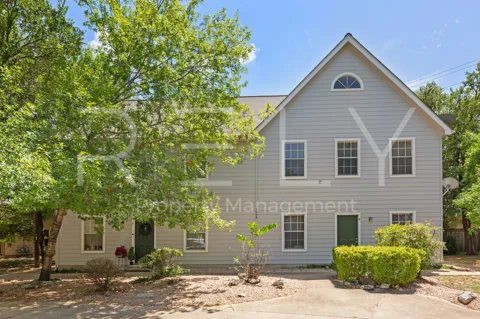
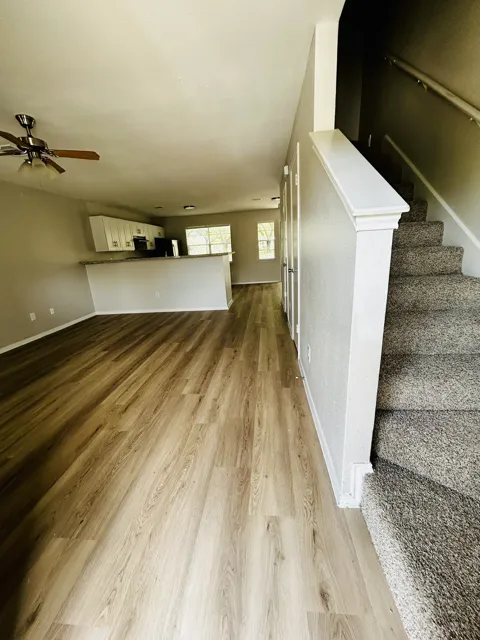
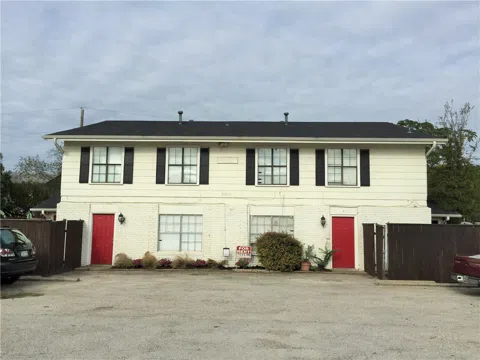
Calvert's housing is defined by its historic stock. The 37-block historic district holds a dense collection of late-19th- and early-20th-century homes, from modest cottages to substantial Victorian and period-revival houses, many awaiting or mid-restoration. Conditions vary widely, and restoration is a recurring theme for buyers drawn to the town's character. Beyond the district, conventional and rural homes sit on larger lots at the city's edges. Calvert is not a high-volume market; it appeals to buyers interested in historic properties, antique-era architecture, and the slow work of preservation.
Calvert's heart is its historic district, a 37-block area of late-19th-century homes, churches, and commercial buildings that gives the city its identity. The downtown core, centered on the railroad-era commercial buildings, now houses antique shops and restaurants. Around the district, the town transitions into quieter residential streets and, farther out, rural lots that blend into Robertson County farmland. There are no large master-planned subdivisions here; the neighborhood pattern is the original 19th-century town grid, and that is precisely its appeal.
Life in Calvert is slow, neighborly, and steeped in history. Antique hunting and browsing the downtown's shops are the main pastimes, and the town's preservation ethic runs deep — residents take pride in restoring and maintaining its historic buildings. Community life is small and personal, centered on the school, churches, and local events. Texas A&M University and the restaurants, entertainment, and medical facilities of Bryan–College Station are half an hour south, so residents can pair rural small-town living with the conveniences of a major college town.
Calvert is served by the Calvert Independent School District, a small rural district operating a single campus that enrolls roughly 150 students across grades pre-kindergarten through twelfth grade. The one-school setup keeps class sizes small and makes the school the natural center of the community. For families seeking more extensive programs, larger districts and Texas A&M University in Bryan–College Station are nearby, but within Calvert itself, education is deliberately local and close-knit.
Calvert sits on State Highway 6, the main corridor connecting the town south to Bryan and College Station — about thirty minutes away — and northwest toward Waco, roughly forty miles distant. The highway gives residents direct access to Texas A&M University, the Bryan–College Station metro, and, beyond Waco, the Interstate 35 corridor. Within Calvert, the compact 19th-century street grid makes most local destinations a short drive or walk, and the surrounding countryside is reached by county and farm-to-market roads.
Recreation in Calvert is centered on its historic district. Visitors and residents alike spend time walking the 37-block National Register district, antiquing in the downtown's shops, and touring restored Victorian-era homes. The Katy Hamman-Stricker Women's Heritage Center documents local history, and the town's churches and historic sites add to a self-guided heritage experience. For larger-scale recreation, Bryan–College Station offers university sports, parks, and entertainment, while the Brazos Valley's countryside provides hunting, fishing, and open rural space.
MARKET SNAPSHOT
How homes have been selling here over the last 90 days.
Market data reflects closed sales over the last 90 days and is provided for informational purposes.
For sale
Handpicked properties hitting the scene in your area.
For sale
Handpicked properties hitting the scene in your area.
For sale
Handpicked properties hitting the scene in your area.
BROWSE BY ZIP
Browse listings by postal code in this area.
Reach out any time — we would love to hear from you.